
By Heather Scoffield | The Toronto Star
Three young women from the Vancouver area have just won a contest that would make government officials’ heads explode if they got wind of it.
Kiranjot Kaur Nahal, Khadija Rana and Jasleen Kaur Johal-Takhar responded to a call for ideas on how to pay for public transit improvements in Metro Vancouver, and they went out on a limb: they proposed a tax hike.
Just a little one, though: between 0.5 and 1 per cent added to the provincial sales tax for people in Vancouver.
Our tax conversation is dominated by calls to cut, and the debate is only around how much. With such a lopsided discourse, it’s no wonder most taxpayers say they feel overtaxed. Polling done a year ago for the Canada Revenue Agency showed that just seven per cent of respondents felt they paid too little.

Generally, bureaucrats scorn that kind of move. In the world of public finance, government revenues all flow into the same pot, and setting up artificial constructs to carve out amounts for special purposes is very inefficient indeed.
Administrators are not the only ones who look askance at the idea of bespoke taxes.
Many of the people the team tells about their pitch dismiss it out of hand, says Johal-Takhar. In fact, the trio itself had the same reaction to concept when they first started considering it as a way to ensure stable funding for transit.
“The three of us were apprehensive,” she said. “Sales tax has a negative reputation. We had a knee-jerk reaction.”
But being masters students at The University of British Columbia ’s School of Public Policy and Global Affairs, they put their research skills to work, looked harder and soon grew to embrace the idea — and eventually win $1,000.
The proposal works on many levels. It spreads the funding burden around. It provides a steady funding stream to a public good that will enable Vancouver’s world of work run more smoothly. It’s fairly simple to administer because it’s attached to an existing system.
And most importantly, the team hopes, it serves as a reminder to taxpayers exactly why they’re paying a small tax and what they get in return, turning their skepticism into support.
“There’s a tangible outcome to their taxes,” Johal-Takhar says.
And that’s the link we in Canada so often forget as we are repeatedly swept up in the political race to cut taxes indiscriminately as if they were a blight on society. The team struck at a disconnect in the public’s discourse on fiscal policy.
In the last federal election campaign, for example, the Conservatives promised an income-tax cut and then the Liberals quickly moved into that space too, hoping to neutralize the Conservative promise. The Liberal measure is expected to drain $27-billion from federal coffers.
And then came the elimination of the digital services tax, the cancellation of the consumer-facing carbon tax, and then, by the time we got to the Nov. 4 budget, the cancellation of luxury sales tax on yachts and fancy cars.
But the budget conversation was all about billions in new spending, investment and cuts — not tax revenue, where it should come from or who should pay. We seem to have forgotten that such revenue finances social supports, health care, infrastructure, training, defence, security and so many other programs that foster a stellar quality of life and a ripe investment climate in Canada.
Our tax conversation is dominated by calls to cut, and the debate is only around how much.
With such a lopsided discourse, it’s no wonder most taxpayers say they feel overtaxed. Polling done a year ago for the Canada Revenue Agency showed that just seven per cent of respondents felt they paid too little.
Back to the contest in Metro Vancouver.
To convince the judges of the contest run by advocacy group Movement that their idea was solid, the team knew it had to demonstrate that the public could actually be persuaded. Dogging them was a failed plebiscite 10 years ago to have the Vancouver region approve a 0.5 per cent increase to sales tax to fund infrastructure.
But similar votes in the U.S. asking citizens to weigh in directly on whether to increase taxes for public transit have proven largely successful, the team showed, pointing to Ohio and Arizona.
Indeed, the American Public Transportation Association shows that in the November 2024 election, 51 out of 61 proposals for public transit measures passed, leading to voter approval for $25 billion (U.S.) in transit improvements.
For sure, there are all sorts of reasons why American voters should not be compared to Canadians right now. And the advocates at Movement, while they plan to run with a version of the contest-winning tax idea, won’t go as far as pushing for a referendum on it.
The region has already indicated that it wants a new revenue tool for transit by 2027, says the advocacy group’s executive director, Denis Agar. For him, and for Johal-Takhar’s team, it’s not a question of “whether” but “how,” and they believe the best answer is a small increase to sales tax.
For the rest of us, their willingness to shout publicly about the direct links between taxation and services is a victory unto itself.
Related reading
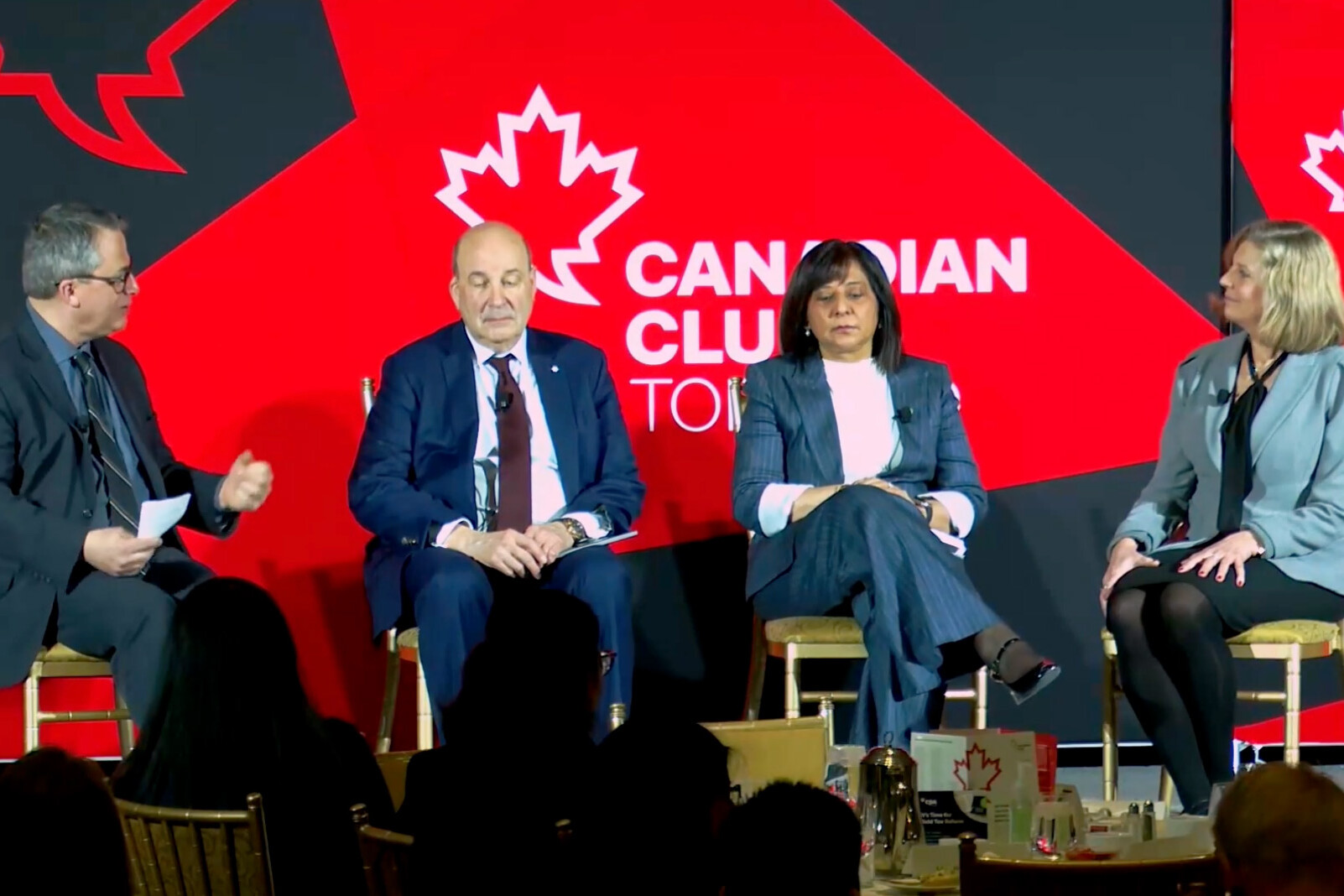
Rethinking Canada’s Tax System: What Works, What Doesn’t, What’s Next
The Canadian Club of Toronto hosted a panel on rethinking Canada’s tax system (what works, what doesn’t, what’s next), featuring the Canadian Tax Observatory’s Heather Scoffield, Deloitte’s Fatima Laher and the University of Calgary’s Jack Mintz. Moderated by Patrick Brethour of the Globe and Mail. Here’s a recording.
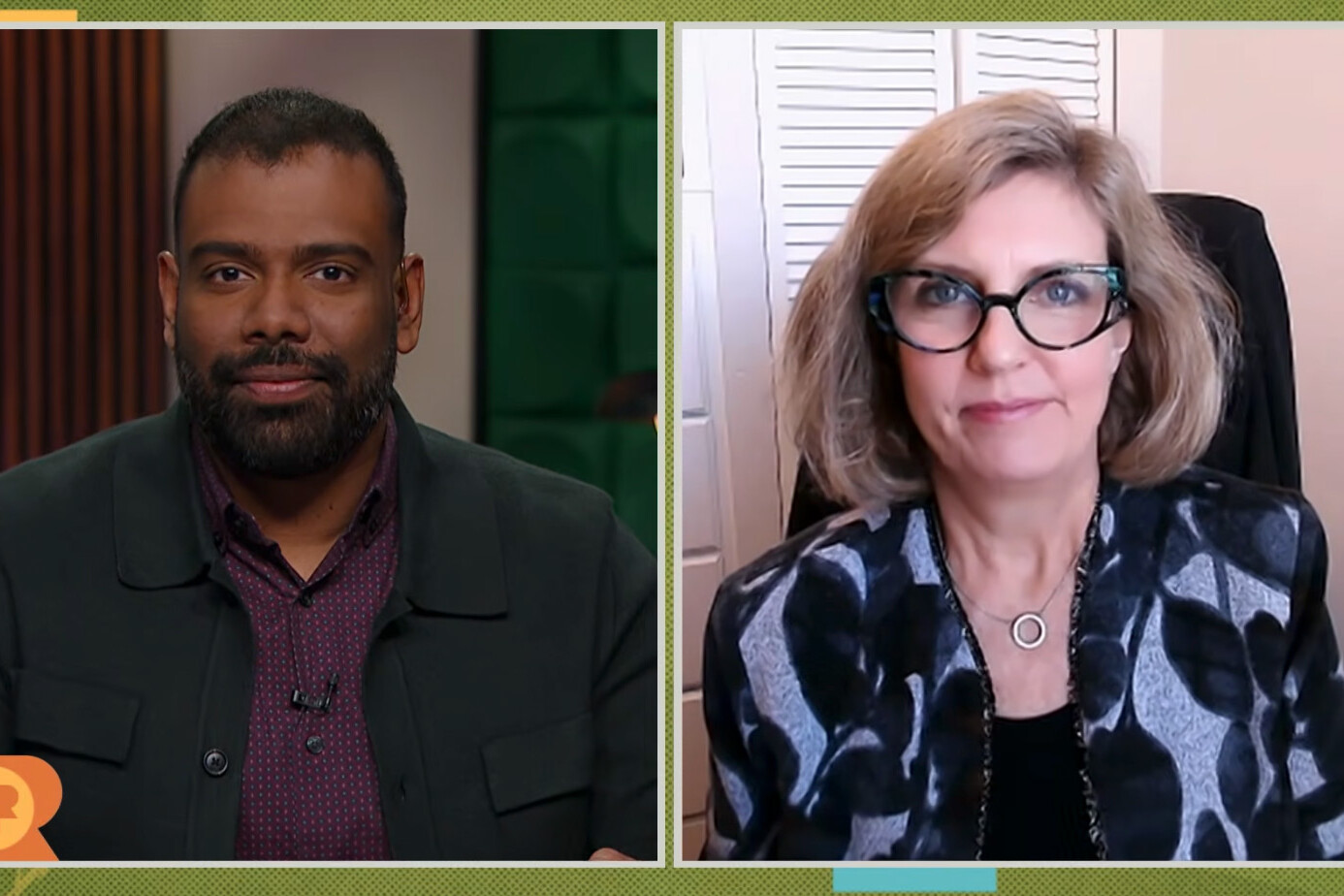
Heather Scoffield talks the U.S. Federal Reserve on TVO’s The Rundown
What happens to Canada’s approach to monetary policy when the world’s most powerful central bank, the U.S. Federal Reserve, is in turbulent times? Heather Scoffield breaks it down here for The Rundown on TVO.

Three things Canadians should know about Carney’s new GST credit
The House of Commons has agreed to fast-track legislation to boost the GST credit for 12 million taxpayers with low and modest incomes. Here’s Heather Scoffield’s initial analysis of the measure.
Get in Touch
Have feedback on the work we are doing? Interested in collaborating? We want to hear from you.