
Broken Links II: Pinpointing Barriers. Improving Access. Reducing Poverty.
Broken Links II brings together two new reports on the Disability Tax Credit. The first maps 10 barriers that stop people from completing their application; the second models how automatic eligibility could lift up to 53,000 people out of poverty.
October 7, 2026
October 7, 2026disability,poverty,disability tax creditResearch
Extending the Eligibility for the Disability Tax Credit to Fight Poverty
The DTC was originally designed as a tax credit. It recognizes that persons with severe and prolonged impairments bear non-discretionary costs that reduce their taxable capacity, and its strict functional test was calibrated to identify that population, not the broader population of people who are disabled in some meaningful sense.
October 7, 2026
The Disability Tax Credit: where the access chain falls apart
This report summarizes the data and evidence collected as of July 2026, on the Disability Tax Credit with a focus on the administrative burdens for applicants.
October 7, 2026
Broken Links
Only 16 per cent of people with disabilities qualify for the Disability Tax Credit and the access that certification brings to other, crucial programs. New research from Dr. Gillian Petit identifies four different links in the system that a person with a disability must steer through to access proper income security and support.
April 22, 2026
April 22, 2026disability,poverty,disability tax creditResearch
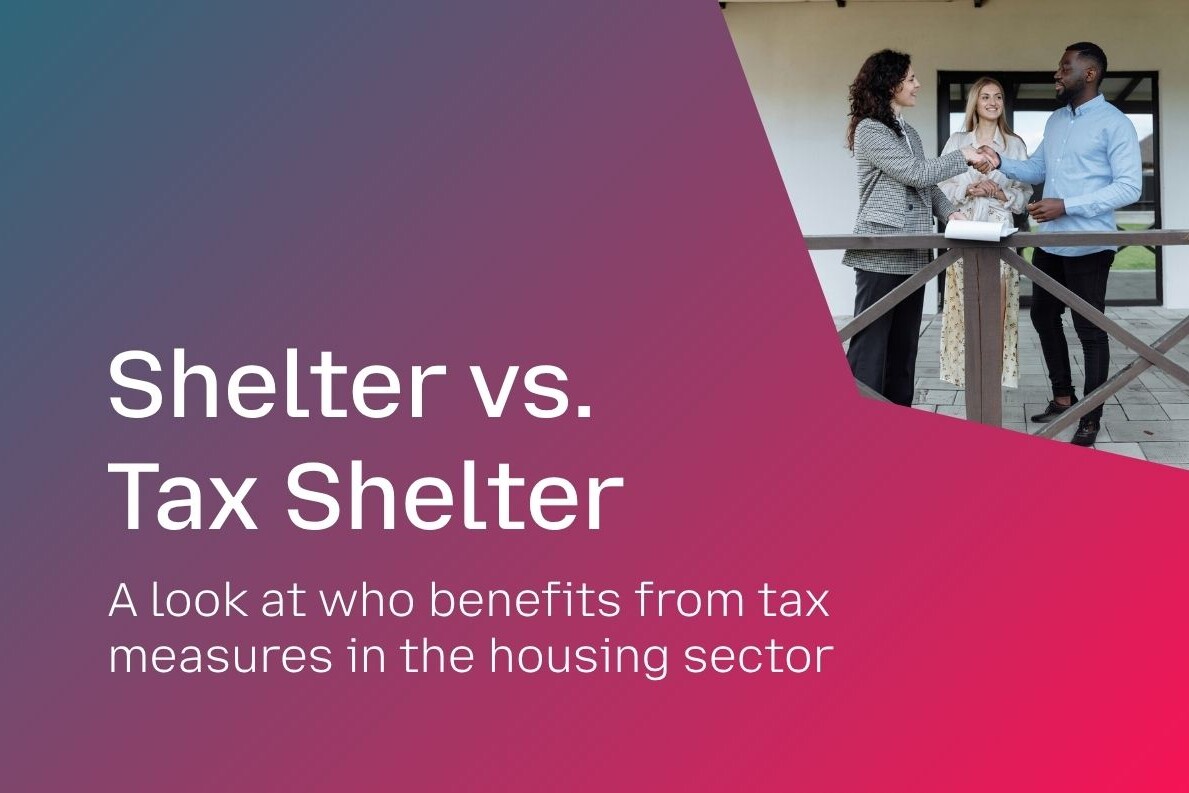
Shelter vs. Tax Shelter
Research examining the impact of housing tax incentives—particularly the FHSA—on Canadian affordability. As more savings from affluent families flow into tax-sheltered accounts, there’s a cost to everyone else.
April 13, 2026
April 13, 2026inequality,real estate,investment,FHSAResearch

Housing Tax Policy in Canada
Research examining the impact of housing tax incentives—particularly the FHSA—on Canadian affordability. As more savings from affluent families flow into tax-sheltered accounts, there’s a cost to everyone else.
April 13, 2026
April 13, 2026inequality,real estate,investment,FHSAResearch
Canada’s K-shaped Economy
What the numbers say about wealth, inequality and affordability since the pandemic. Some number-crunching by the Canadian Tax Observatory and the Centre for the Study of Living Standards.
April 2, 2026
Get in Touch
Have feedback on the work we are doing? Interested in collaborating? We want to hear from you.