
By Heather Scoffield | Originally published in the Toronto Star on June 13, 2026
Chances are that if a pollster asked just about anyone in Canada if they have anxiety over their personal finances, the answer would be “yes.”
So it’s no surprise that when the United Way commissioned Leger pollsters to measure financial anxiety levels across the country, the results came back with a resounding “of course.”
But that’s not really the answer the pollsters were looking for. Rather, United Way Centraide Canada wanted to dig deeper into the who, why and how — because they were worried sick.
Their front-line community service providers had obviously witnessed a lot of strife and hardship during the pandemic, but several years later, the demand for support had not abated, explained Dan Clement, the president of the charity organization.
If anything, the urgent 2-1-1 calls for services and support were on the rise in all sorts of communities, Clement said, and that was a signal that something was definitely off.
He commissioned some initial polling last fall to test his suspicions. And when they were confirmed, he followed up with a monster web-based poll of more than 8,000 people that dug deep into precarity, household finances and key demographics. The results make this month’s debate about whether Canada is in recession look almost irrelevant.
“Deterioration is especially concentrated among those already in a poor financial situation, where fully 66% report (their financial situation over the last six months) having worsened,” the Leger analysis of the polling data states.
“Deterioration is especially concentrated among those already in a poor financial situation, where fully 66% report (their financial situation over the last six months) having worsened”
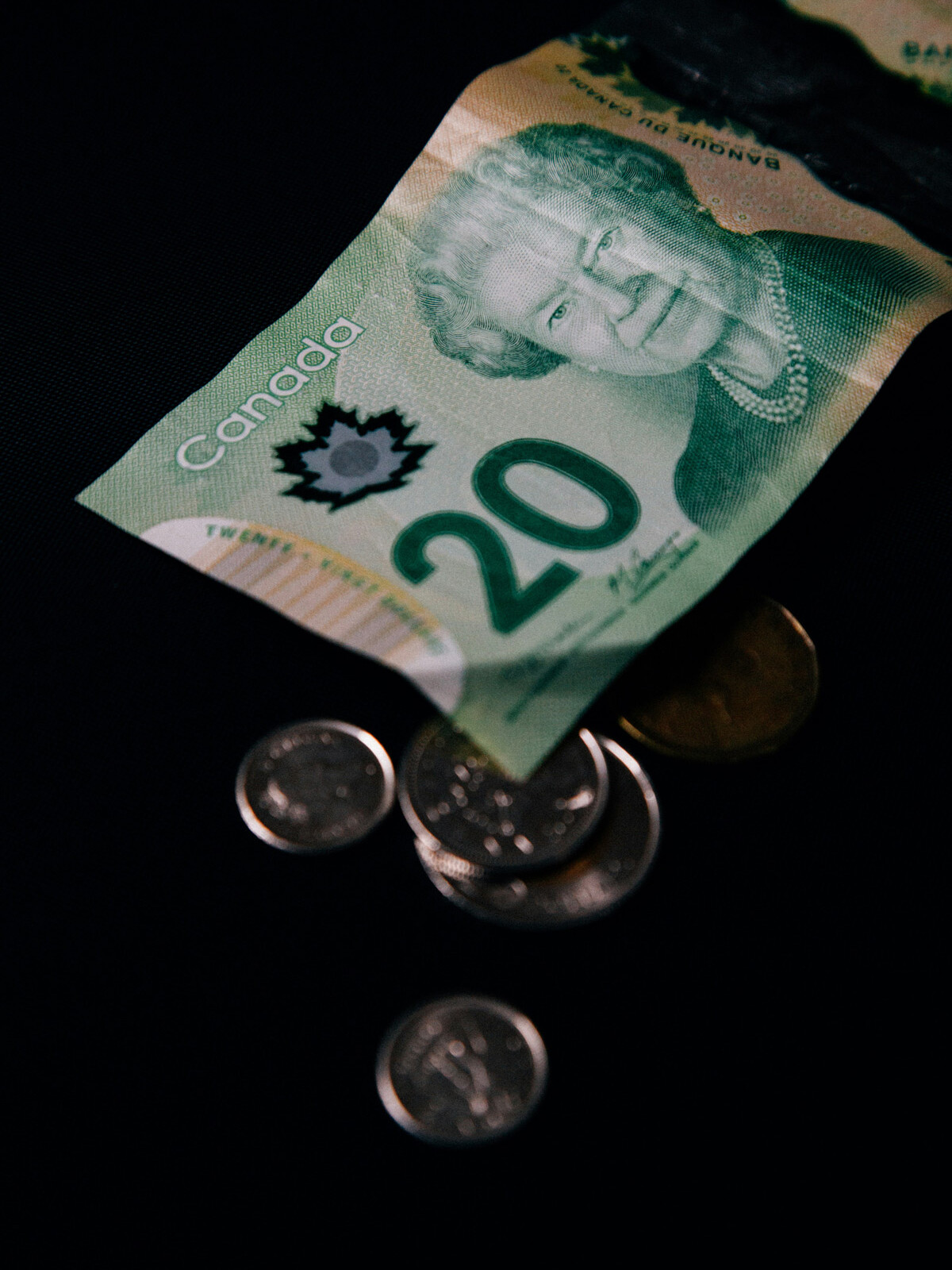
For the record, Statistics Canada’s estimate of the country’s gross domestic product — the broadest measurement of the economy — registered an annualized 0.1 per cent decline in the first quarter and a one per cent decline in the fourth quarter of 2025.
Two negative quarters in a row are often considered to be a recession — with all that word conjures up in terms of hardship and uncertainty. And so the House of Commons as well as a bevy of economists have been combating over whether that is really the case.
Everyone in the chattering classes has had their kick at the can on the recession numbers, weighing in on whether a couple of decimal points make a difference and, if not, what we should be focusing on instead. Trade and investment are taking centre stage.
But the hallmarks of recession — hardship and uncertainty — have been prevalent since the pandemic, the United Way polling shows, and they’ve been on rise in a very concerning way, especially among single parents, newcomers to Canada and young people.
They, we, are fraying.
And that’s a problem for all of us who rely on the steady, reliable participation of a broad swath of consumers to work, buy, save, trade and invest. The reliability of Canadians is the country’s trademark, underpinned by dependable and deeply embedded social cohesion that has stood the test of time and multiple, intersecting and overlapping crises.
Specifically, those 1,400 respondents to the poll who said they were already in a poor financial state (that’s 17 per cent of respondents), 41 per cent said their household income had decreased over the past six months. And 39 per cent figured their situation would deteriorate further in the coming six months, up from 20 per cent in a previous survey six months earlier.
This precarious group can barely look at their bank statements without having heart palpitations, becoming agitated or losing sleep — even though the poll shows they have little confidence in their own ability to get themselves out of their rut.
They’re seeing their costs soar for food, energy, housing, child care and transportation. And so they’re cutting way back on leisure and clothing, cancelling vacations and renos, and certainly not saving much.
They’re taking on debt, and 72 per cent of this group say they couldn’t get by more than a month if they suddenly lost their main source of income.
They’re frequently looking for community support, often tracking down free meals or seeking housing assistance.
On the other hand, the 49 per cent of respondents who are in good financial shape say they are having a good time playing the markets, experimenting with investment strategies and trying out new financial products. Very few of them are cutting back on anything much, despite higher costs. Food, medicine, housing, transportation and energy costs are easily absorbed. It’s a good life.
The disparity matters, Clement says, because the group at the bottom is expanding, and that affects everyone else. Their anxiety spills over to health, consumption patterns, mental health and the stability of communities everywhere.
Canadian politicians are fond of saying “Canada has what the world wants.” It’s usually in connection to natural resources, but that statement is equally true for the fabric of Canadian society. And now it’s fraying away.
Related reading
Donald Trump’s tariffs are raising U.S. household bills by $1,000. Canada shouldn’t copy America’s playbook
Despite all the noise around Trump cutting taxes through the One Big Beautiful Bill Act signed into a law just over a year ago, for many Americans, taxes feel higher. At the same time, reports of budget cuts to health, research, education and universities abound.
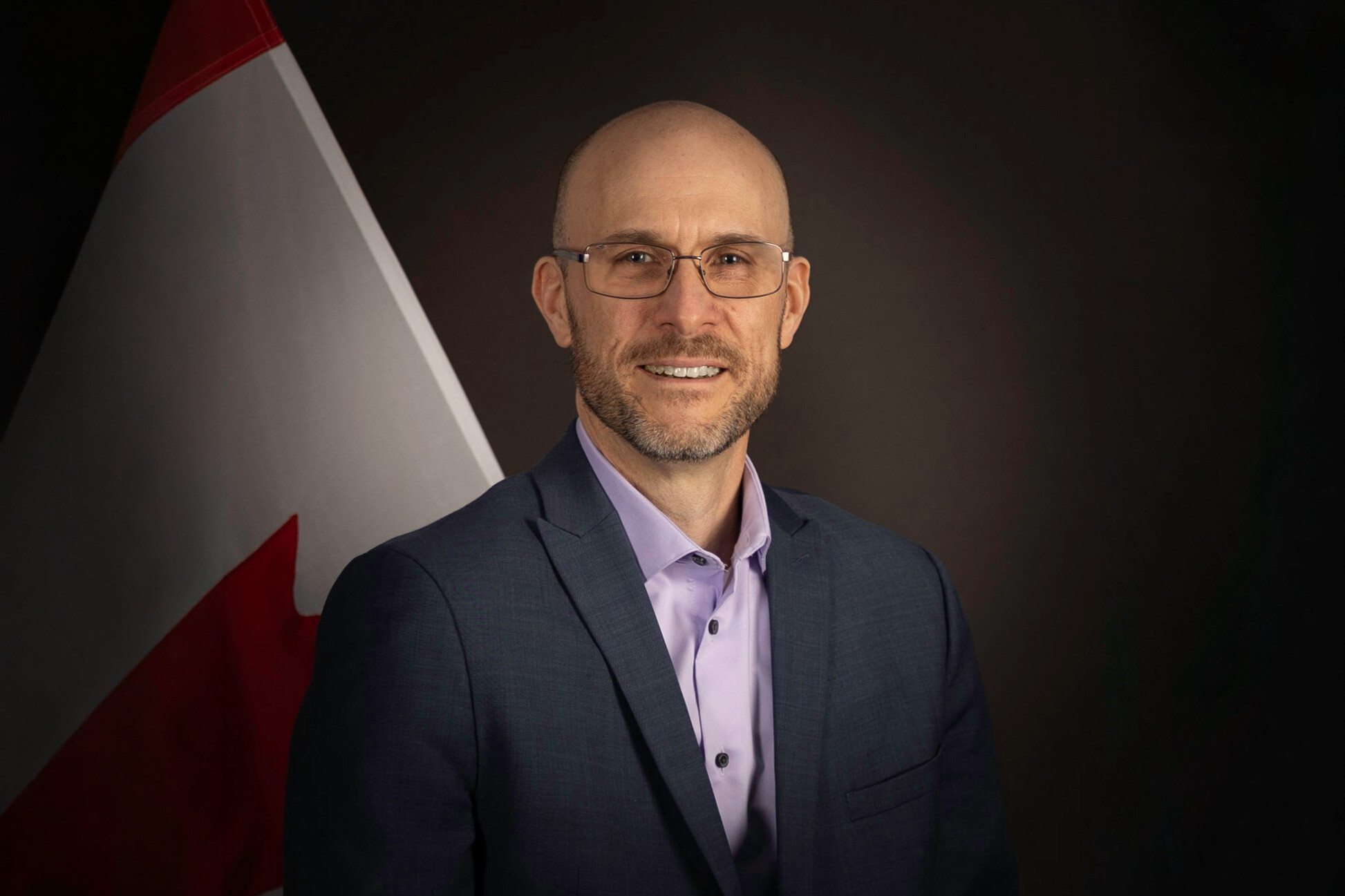
The Canadian Tax Observatory announces its senior economist
Jean- François Ruel specializes in tax policy, microsimulation and quantitative analysis.

Jean-François Ruel
Senior Economist.
Get in Touch
Have feedback on the work we are doing? Interested in collaborating? We want to hear from you.